48 Hours That Brought AI Cinema to Cannes
Looking Back at the 2nd Edition of the World AI Film Festival
On April 21 and 22, 2026, Cannes experienced two unforgettable days that may well be remembered as a turning point for cinema created with artificial intelligence. Four iconic venues activated across the city, fourteen awards presented, nearly thirty committed partners, a festival presided over by Gong Li, honorary president Claude Lelouch, a jury led by Agnès Jaoui, and Jean-Michel Jarre serving as ambassador: the second edition of the World AI Film Festival confirmed that a new cinematic art form had finally found its global stage. Here is the story, in four acts.
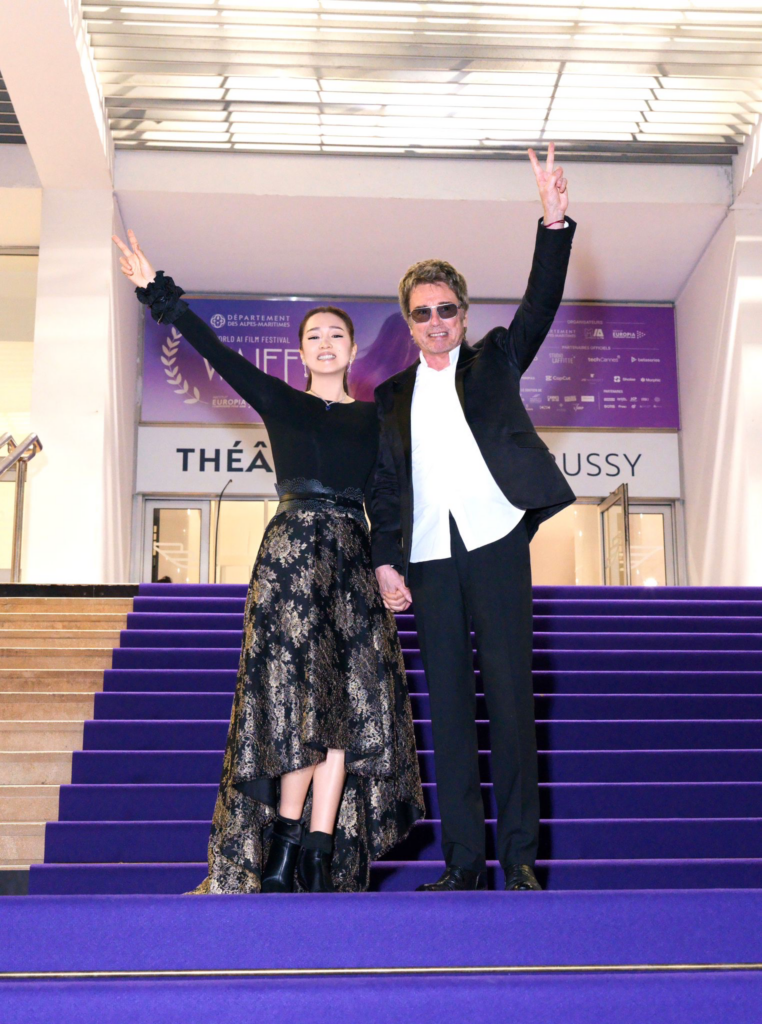
Act 1 — Tuesday, April 21: Cannes Opens Its Doors to AI Cinema
Under the soft spring skies of Cannes, the second edition of WAIFF began in an atmosphere that felt both ceremonial and electric. Emerging filmmakers, animation studios, producers, and specialized journalists gathered across four emblematic venues throughout the city, simultaneously hosting screenings, masterclasses, panel discussions, and gala evenings.
Espace Miramar welcomed the Pro Talks and keynote sessions, Cinéma Les Arcades hosted the public competition screenings, the JW Marriott Hotel became the hub for VIP lunches and networking, while the Palais des Festivals set the stage for the official ceremonies and gala events.
From the opening moments, the tone was clear: WAIFF positioned itself neither as a blindly techno-optimistic echo chamber nor as a tribunal condemning AI’s excesses. Instead, the festival championed a demanding, transparent, and open framework designed to distinguish works that use AI as a tool from those that make AI their subject.
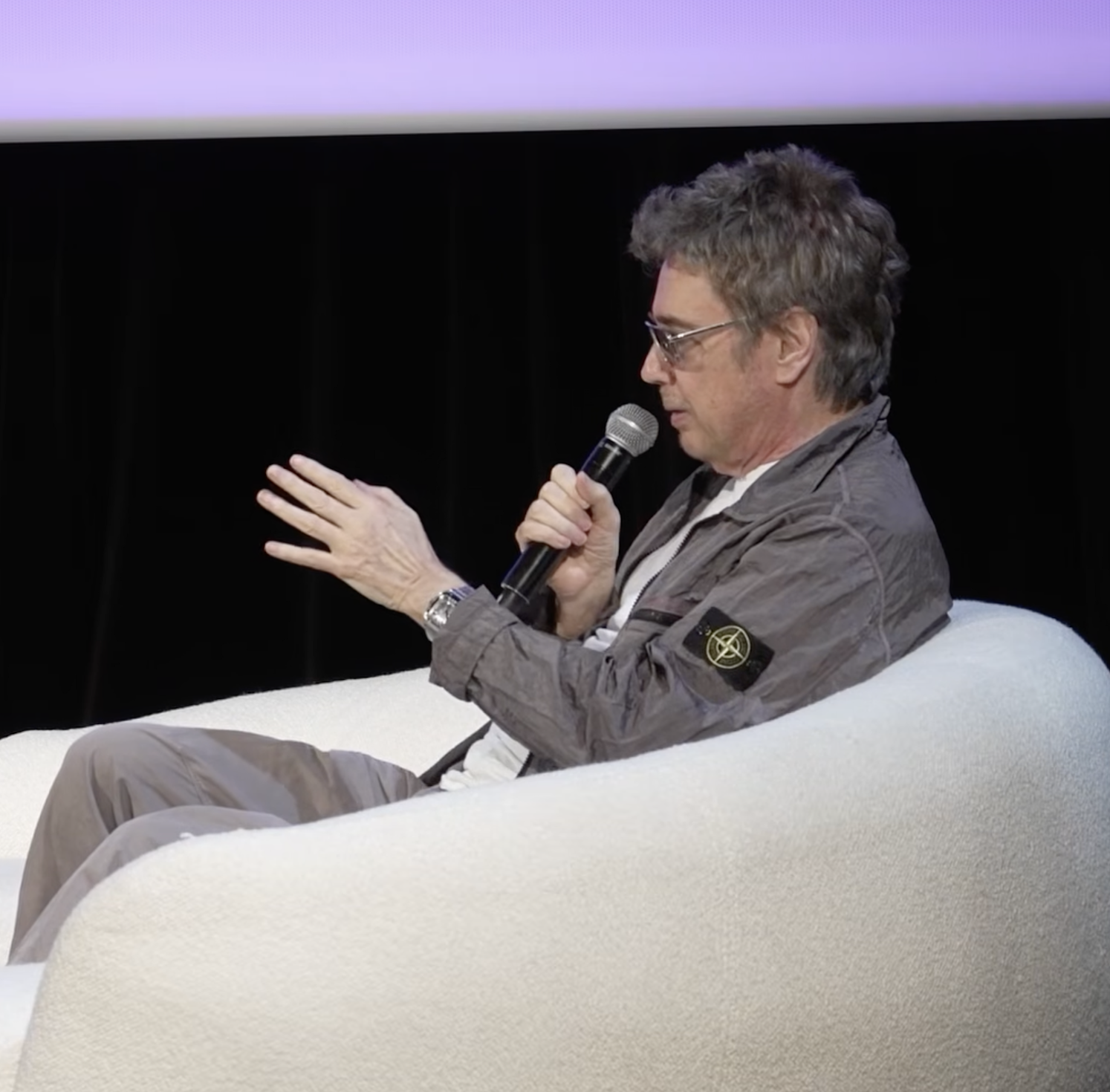
At 10:30 a.m., Jean-Michel Jarre, festival ambassador, inaugurated the Pro Talks with a keynote titled “AI: Augmented Imagination.” The legendary composer of Oxygène placed artificial intelligence within the long historical evolution of cinematic tools — from color and sound to digital filmmaking — defending the idea of a new language to master rather than a threat to resist.
The afternoon continued with a keynote by Mathieu Kassovitz on hybrid filmmaking, followed by two major industry panels: “Artistic Creation: What AI Can Truly Do,” moderated by Serge Hayat (Ozma Labs), and “AI and Cinema: Who Benefits From the Value?” moderated by Eric Lentulo, featuring speakers including Cécile Lacoue (CNC), Caroline Cooper (Sky Entertainment), Mauro Martani (PlusOne), and Laurent Jaoui (TéléFan).
But it was the evening that truly left a lasting impression.
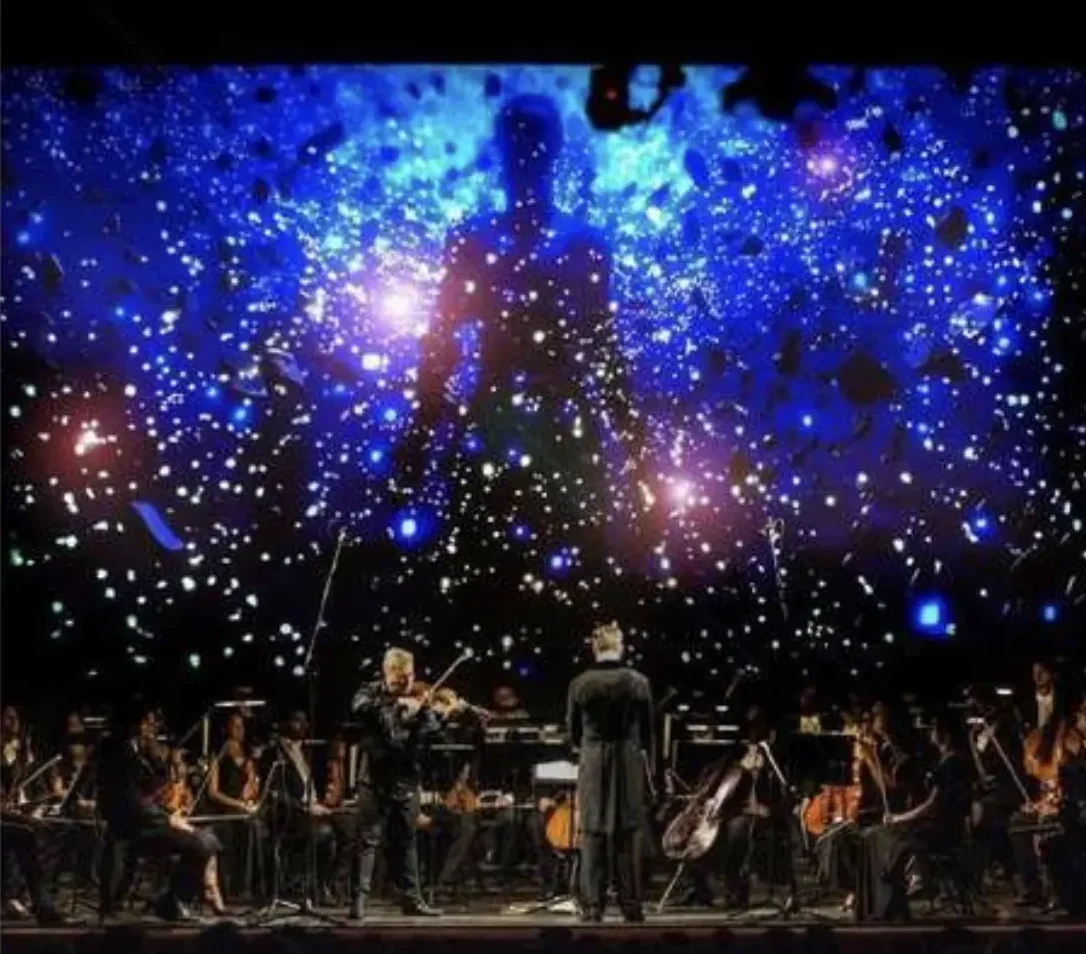
At the Palais des Festivals, the Opening Gala gathered partners, jury members, award nominees, and VIP guests around a groundbreaking live performance: the Seoul Symphony Orchestra, accompanied in real time by OOVIE Studios, whose generative AI created cinematic visuals synchronized to the tempo of the musicians. For eight unforgettable minutes, the Palais discovered what real-time AI cinema could look like. The audience rose to its feet.
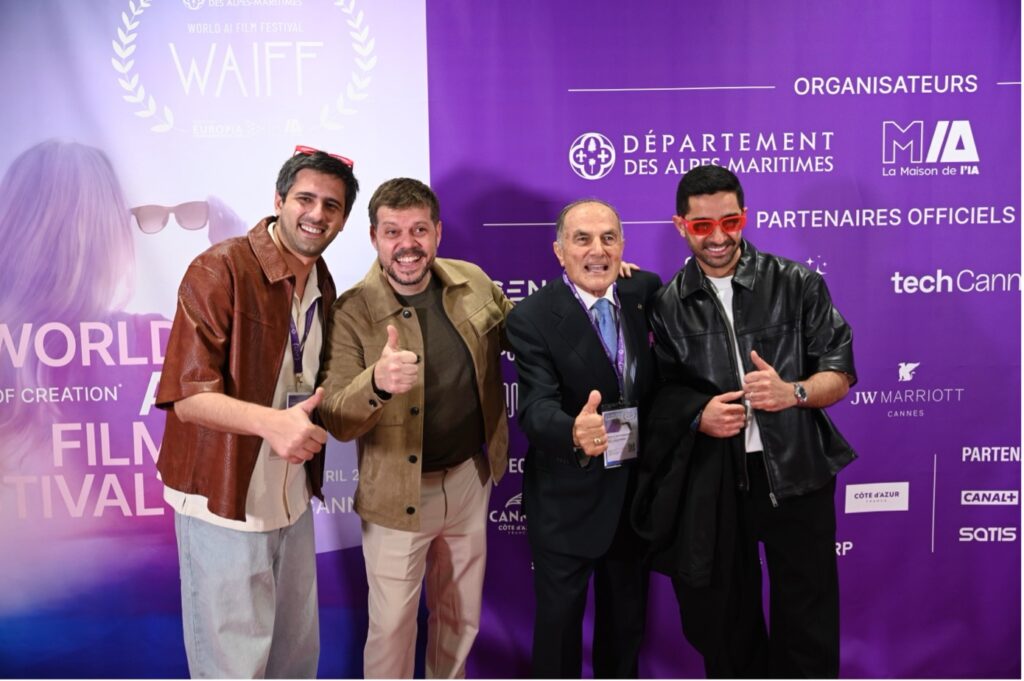
Act 2 — Wednesday, April 22: Awards and Debate Take Center Stage
The second day opened with one of the festival’s most anticipated keynotes. Johann Choron, Head of Generative AI at Google France, alongside Sarah Cledy (Head of Public Affairs at Google France), addressed one of the most pressing questions facing the industry: “Copyright and AI: What Comes Next?”
Their intervention set the tone for the discussions that followed, particularly Panel 3 — “AI, Creation & Copyright: What If We Finally Decided?”, moderated by Sarah Lelouch (TechCannes), featuring Agnès Jaoui, Mathieu Kassovitz, Jérôme Enrico (President of ARP), German AI lawyer Tim Kraft, and Gali Meiri (Taasiya).
Later in the afternoon, two additional standout panels explored the future of AI entertainment:
- “Building an AI Studio”, moderated by David Defendi, with Nancy Hamilton, Zack London, and Fabrice Nadjari.
- “Back to the Future: AI’s Transformation of Entertainment”, moderated by Rémi Tereszkiewicz, featuring Joanna Popper, Elodie Polo-Ackermann (Mediawan), and Gregg Bywalski (Webedia Creators).
The conversations were not sanitized — and that was precisely what attendees had come for.
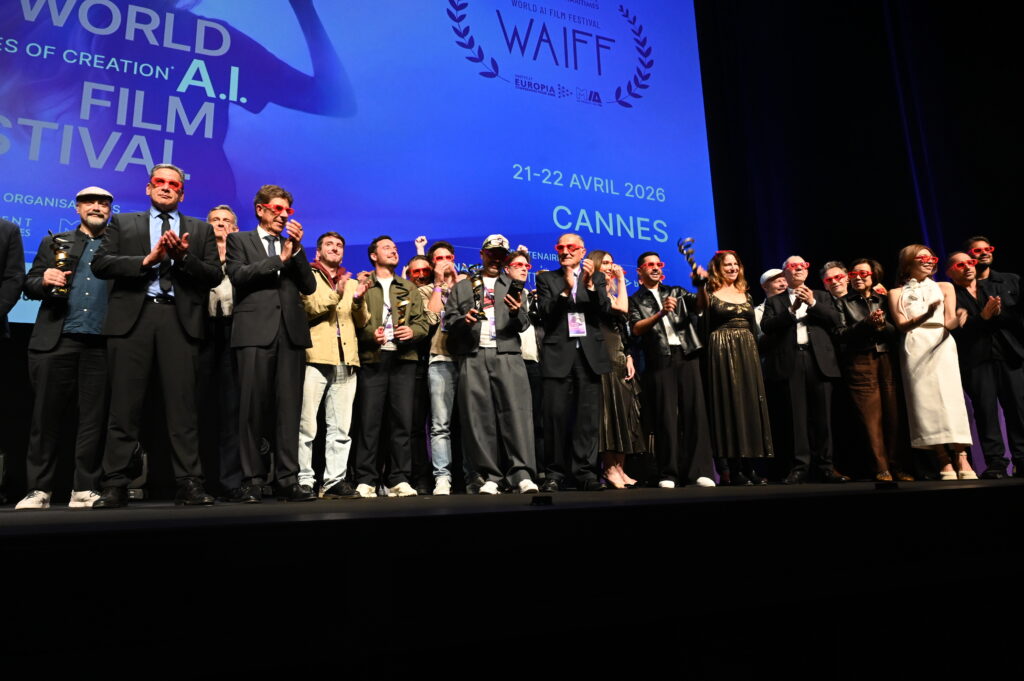
That evening, the Palais des Festivals came alive for the official awards ceremony, where fourteen awards celebrated the standout works and talents of this year’s edition.
Complete Awards List
- 🏆 Best WAIFF Film — Costa Verde, directed by Léo Cannone
- 🏆 Best AI Feature Film — Napoléon III – Le prix de l’audace, directed by Édouard Jacques
- 🏆 Best AI Action Film — A Dollar Story, directed by Qiu Sheng
- 🏆 Best AI Fantasy Film — Costa Verde, directed by Léo Cannone (double winner)
- 🏆 Best AI Animated Film — La Selection mécanique, directed by Jules Blachier
- 🏆 Best AI Micro-Series — Devoured, by Eun Young Lee & Heui Song Son
- 🏆 Best AI Emotional Film — The Beginning, directed by Ibraheem Diab
- 🏆 Best Art Film (8th Art Award) (presented by Genario) — Present, directed by Dario Cirrincione
- 🏆 Best Youth Film (presented by the Alpes-Maritimes Department) — RendAi Vous, directed by Marius Doicov
- 🏆 Best First AI Film (presented by ClapAction) — Another Detail, directed by Denis Larzillière
- 🏆 Best AI Advertising Film (presented by Studio Laffitte) — Life Is about the ride, directed by Aurélien Bigot
- 🏆 Best AI Original Score — Vapor, by Fabio Bonvicini
- 🏆 Press Award — La tisseuse d’ombres, directed by Anne Horel
- 🏆 CapCut Award — Apocalypse, The Art of Tovar, by Nyko Oliver
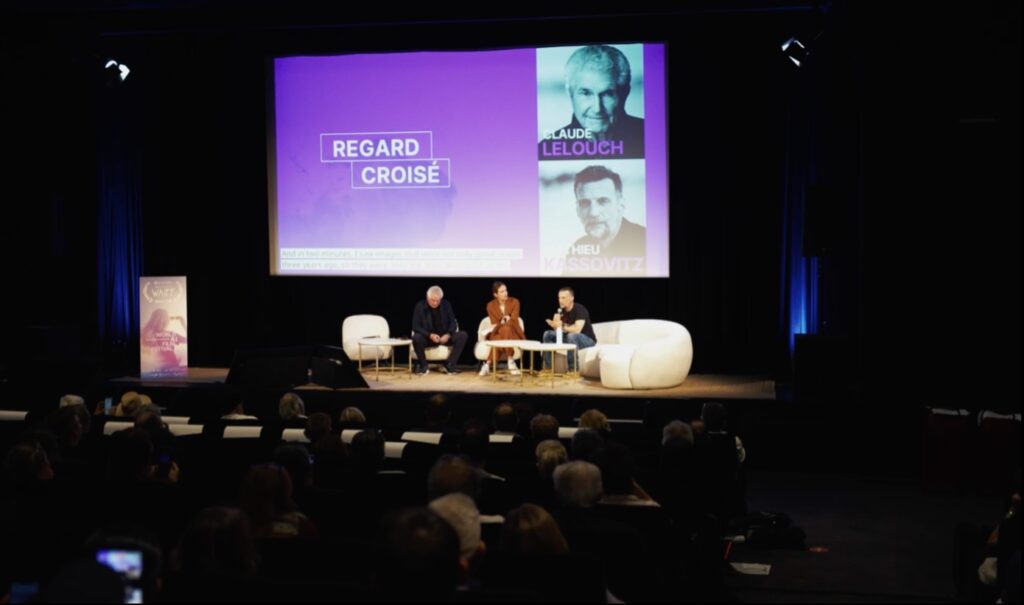
Act 3 — The Voices That Defined the Second Edition
If two images were to remain from this edition, one would undoubtedly be Gong Li, President of the 2026 Festival, addressing the audience from the stage.
The other would be the closing ceremony, led by the festival’s prestigious jury. Agnès Jaoui, serving as Jury President, was joined by internationally renowned figures including Aïssa Maïga, Reza Sixo Safaï (co-founder of Massive Studios), Elsa Zylberstein (renowned French actress), Nam Na-young (editor of Squid Game), Serge Hayat (Ozma Labs), Ruby Yang (Academy Award-winning documentary filmmaker), Joanna Popper (Venice VR Golden Lion winner), and Italian producer Roberto Amoroso.
This gathering represented far more than prestige.
It marked a turning point: major voices from global cinema openly engaging with AI not as a threat, but as a new artistic language to explore. The fact that Gong Li — honored in Cannes, Venice, Berlin, and Shanghai, and named Commander of the Order of Arts and Letters in France — accepted to preside over a festival dedicated to AI cinema stands as one of the strongest signals imaginable for this emerging movement.
Act 4 — The Numbers Behind the Edition
2 days of festival programming
4 iconic Cannes venues activated: Palais des Festivals, Espace Miramar, Cinéma Les Arcades, JW Marriott
14 awards presented
5 Pro Talks panels and major keynote sessions
30+ speakers on stage — filmmakers, executives, researchers, legal experts
Nearly 30 institutional, media, and private partners supporting the festival
11 jury members, chaired by Agnès Jaoui
These numbers are not shared out of pride alone, but to make one reality tangible:
A global AI film festival is possible — and it belongs in Cannes.