Jean-Michel Jarre: "The Tool Is Neutral, The Artist Decides"
WAIFF Ambassador and electronic music pioneer Jean-Michel Jarre shares his vision of artificial intelligence as a creative tool — not a threat.
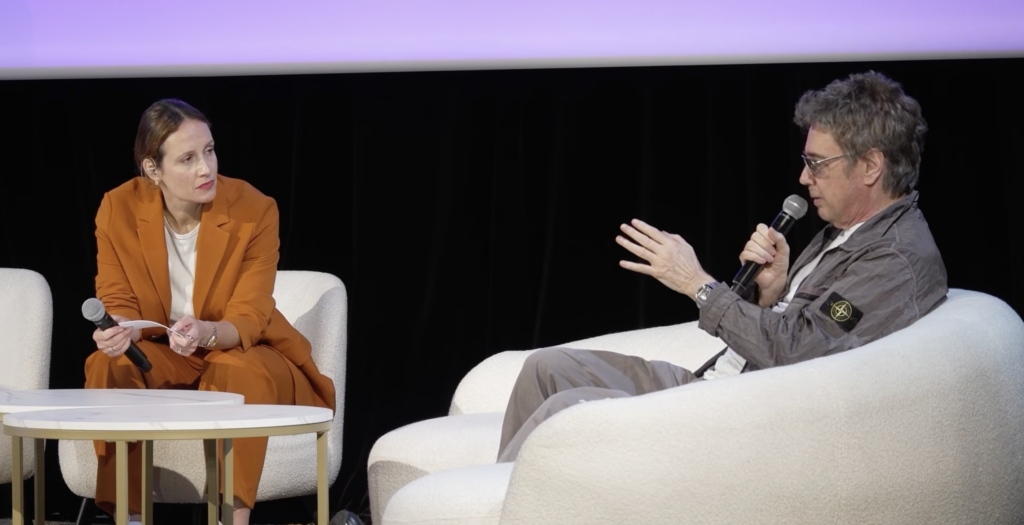
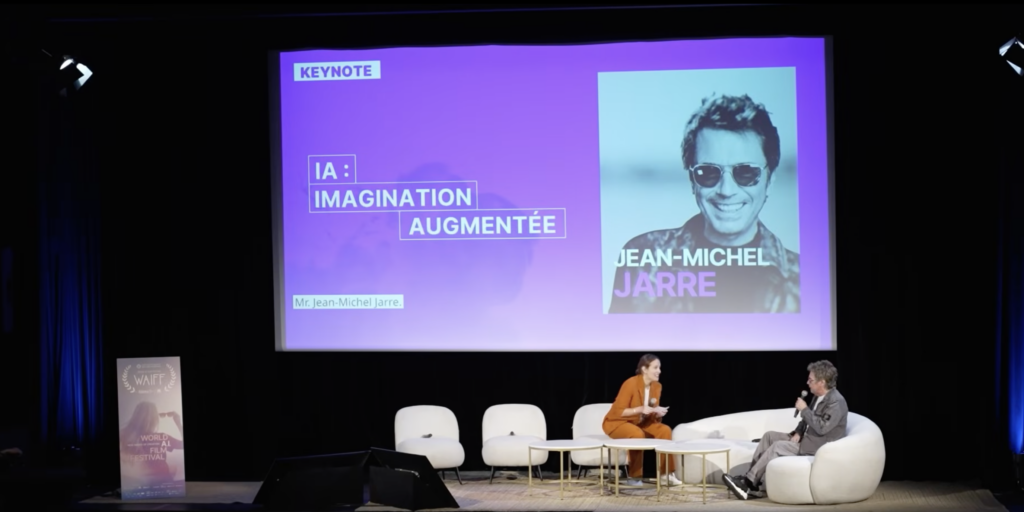
Met at the World AI Film Festival 2026 at the Palais des Festivals in Cannes, Jean-Michel Jarre spoke with the clarity of someone who has already lived through several technological revolutions. For the composer of Oxygène and Équinoxe, AI is neither something to fear nor to blindly celebrate. It’s a tool. And like any tool, it’s the artist who decides how to use it.
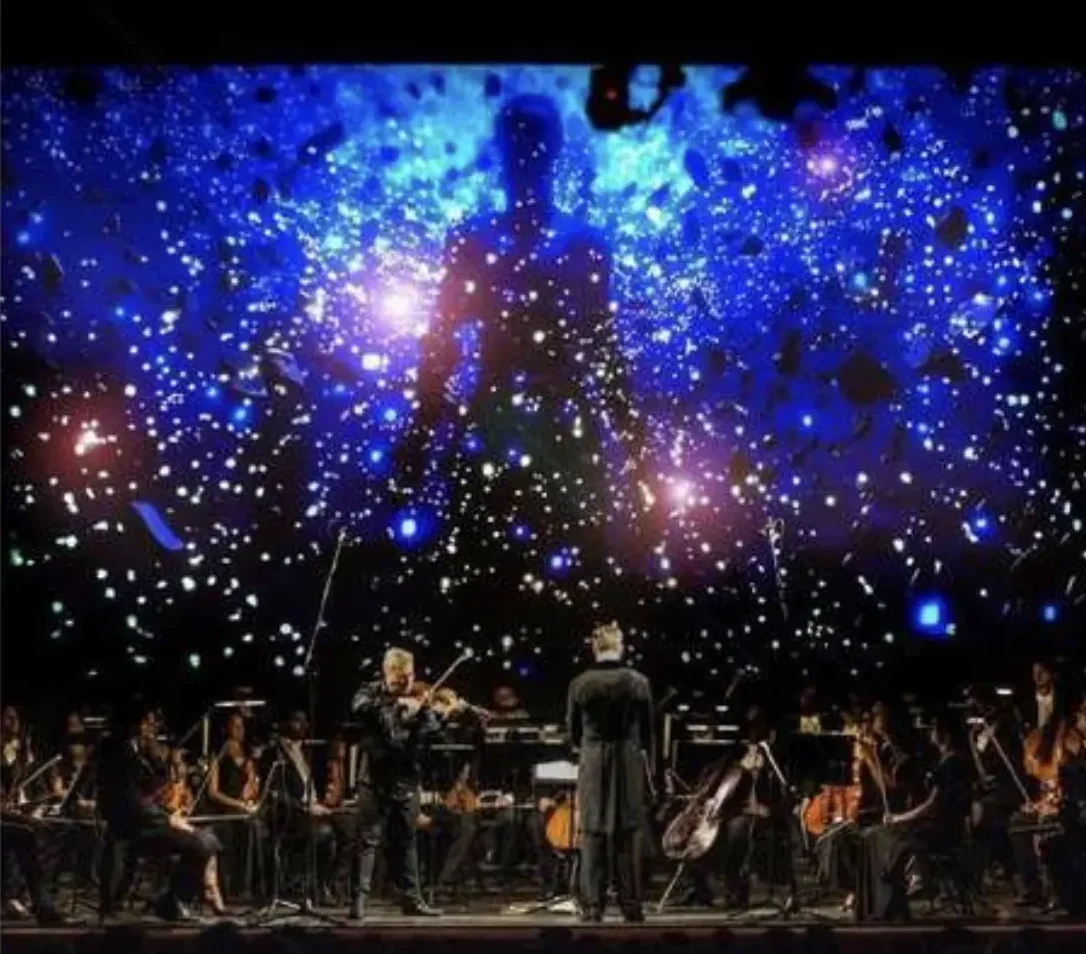
Few voices carry more weight on the intersection of technology and art than Jean-Michel Jarre’s. A pioneer of electronic music since the 1970s, he has always placed innovation at the heart of his work — long before artificial intelligence entered the public debate.
AI as muse, not menace
For Jarre, the question isn’t whether AI is dangerous or beneficial — it can be both, depending on how it’s used. “AI is not at all a threat — or not only a threat. It can be, particularly when it comes to intellectual property. But above all it’s the equivalent of a collaborator, a muse, an assistant. A way to expand the boundaries of my imagination.”
A distinction he captures in one striking phrase: “We must not confuse the tool and its use. The tool is neutral. The brush is neutral. It’s the person who holds the brush who decides. With AI, it’s exactly the same.”
A revolution like the others — only more powerful
Photography didn’t kill painting. Cinema didn’t kill theatre. Electronic music didn’t kill orchestras. AI won’t kill art. It will expand it — for those who choose to hold it rather than be held by it.
Intellectual property: the real fight
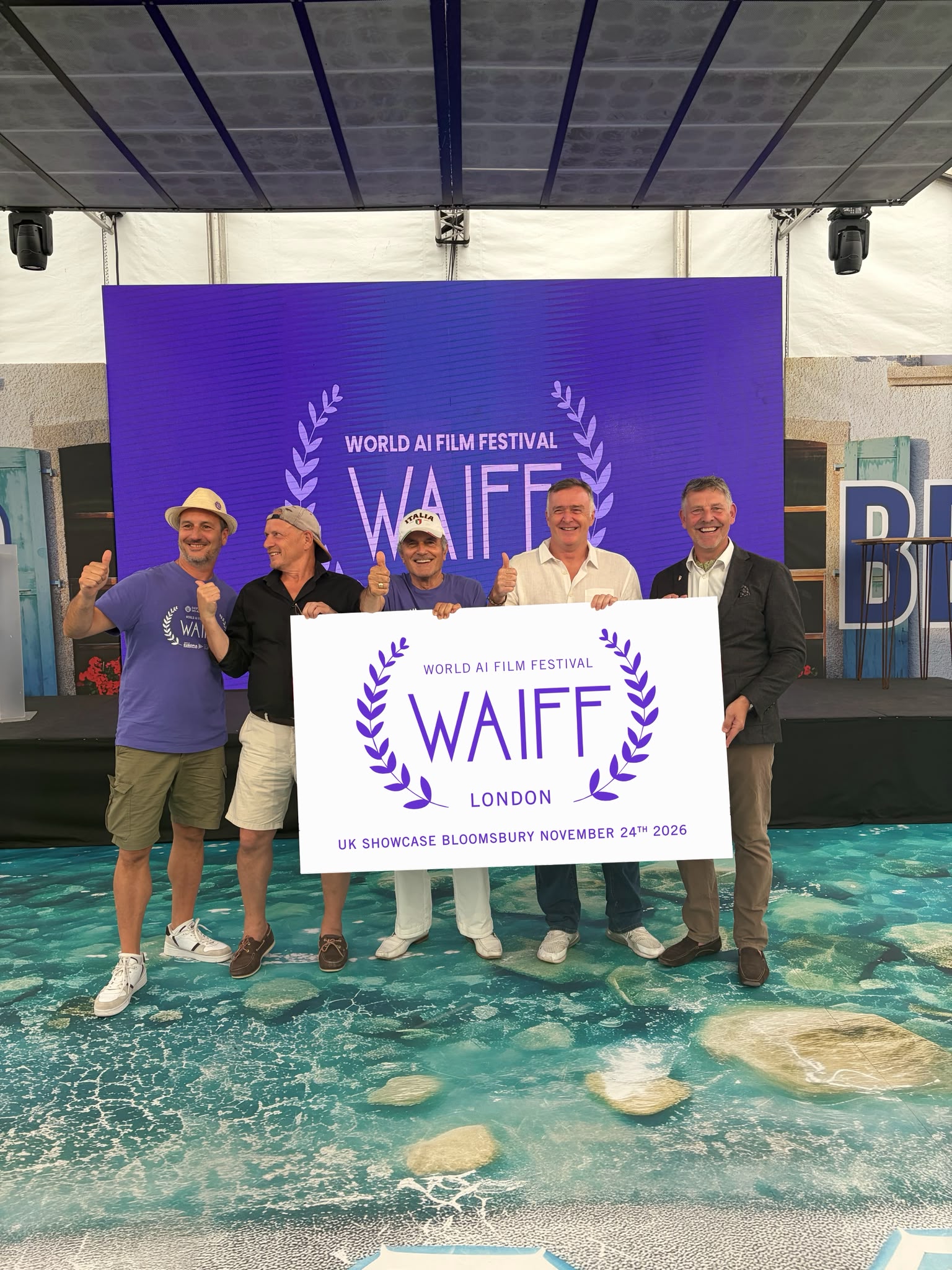
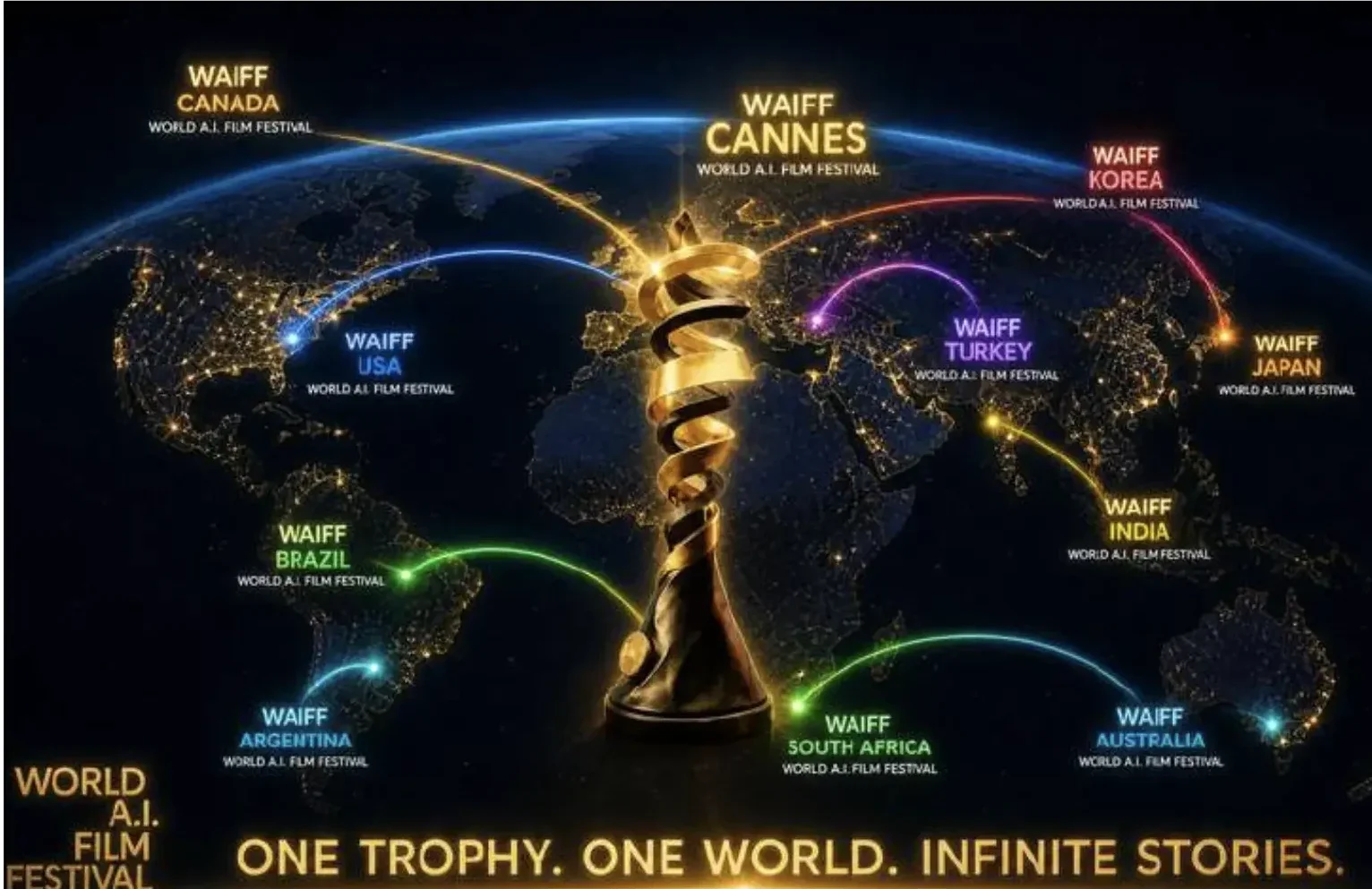
Jarre doesn’t dismiss the challenges. He names them. Intellectual property remains a real and urgent battle, demanding legal and ethical responses that match the speed of technological change. This is precisely the kind of debate WAIFF exists to lead — in Cannes and across the world.